“Fugu Is Not a Blouse”: How President Mahama’s Outfit Sparked a Cross-Border Cultural Debate
Lusaka/Accra — A traditional Ghanaian garment has unexpectedly taken centre stage in Africa’s digital space following President John Dramani Mahama’s recent state visit to Zambia, turning what should have been a diplomatic highlight into a viral cultural conversation across the continent.
During the visit, President Mahama appeared in public wearing a fugu, a hand-woven smock deeply rooted in Ghana’s history and identity. Images of the president in the attire quickly circulated online, where some Zambian social-media users mockingly referred to the outfit as a “blouse.” The comments triggered an immediate backlash from Ghanaians, sparking days of heated exchanges on X (formerly Twitter), Facebook, TikTok and Instagram.
From State Visit to Social-Media Storm
President Mahama’s trip to Zambia was aimed at strengthening bilateral relations, promoting African integration and expanding economic cooperation. However, within hours of images from the visit appearing online, attention shifted from diplomacy to fashion — and then quickly to culture.
What some Zambian users intended as humour was interpreted by many Ghanaians as dismissive and culturally insensitive, especially given the symbolic weight the fugu carries in Ghanaian society. The tone of the debate rapidly escalated, with thousands of comments defending the garment and educating critics on its history.
Why the Fugu Matters
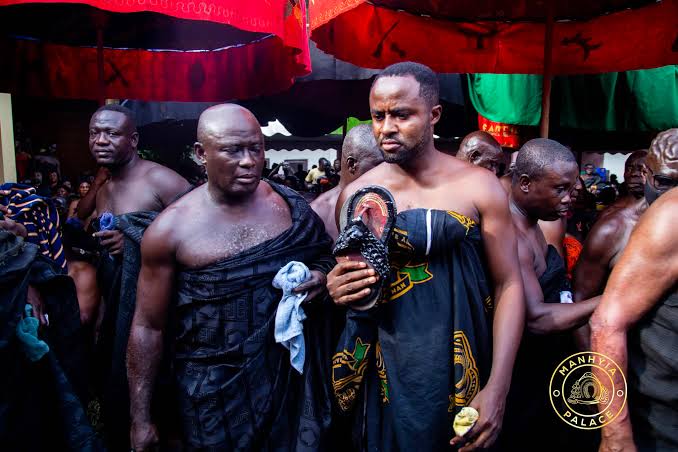
The fugu, also known as batakari or the Ghanaian smock, originates from northern Ghana and has been worn for centuries. Traditionally associated with leadership, dignity and heritage, it is often worn during festivals, ceremonies and state functions.
Over the years, the fugu has evolved into a national symbol, embraced by leaders, professionals and creatives alike. Its presence in political spaces is intentional — a visual statement of African identity, self-confidence and resistance to cultural erasure.
For many Ghanaians, therefore, mocking the garment was seen not as an attack on fashion, but on history and identity.
Ghanaians Push Back Online
The response from Ghana was swift and loud.
Social-media influencers, creatives and everyday users flooded timelines with explanations of the fugu’s origin and importance. Hashtags such as #FuguIsNotABlouse, #SmockPride, and #AfricanHeritage began trending, accompanied by photos of Ghanaians proudly wearing the attire.
Several public figures also joined the conversation, calling for greater cultural respect among Africans and urging people to use the moment as an opportunity to learn rather than ridicule.
State-owned and private Ghanaian platforms alike amplified messages defending the garment, turning the controversy into a cultural education campaign.
A Moment of Reflection for Africa
Beyond the heated exchanges, the debate has raised broader questions about cross-cultural understanding within Africa. Many commentators noted that Africans often know more about Western fashion and traditions than those of neighbouring countries — a gap that continues to fuel misunderstandings.
Others argued that social media has amplified what might once have been a minor comment into a continental debate, showing both the power and danger of digital platforms in shaping narratives.
Still, some Zambian voices have since clarified that the comments were not meant as insults, calling for calm and mutual respect between the two nations.
From Controversy to Cultural Movement
Interestingly, the uproar has also inspired a renewed celebration of Ghanaian heritage. In the days following the incident, calls for a weekly “Fugu Friday” gained traction online, encouraging Ghanaians to wear the smock as a symbol of pride and unity.
What started as mockery has now evolved into a cultural reaffirmation, with many Africans across borders joining conversations about preserving and respecting traditional attire.
More Than Clothing
The fugu controversy has shown that clothing can carry meanings far beyond style. In this case, it became a symbol of identity, dignity and cultural pride, reminding Africans that respect for tradition remains crucial — especially in an era of instant global visibility.
As the online dust settles, one thing is clear: President Mahama’s fugu did more than make a fashion statement — it sparked a much-needed conversation about African identity, respect and unity in the digital age.