
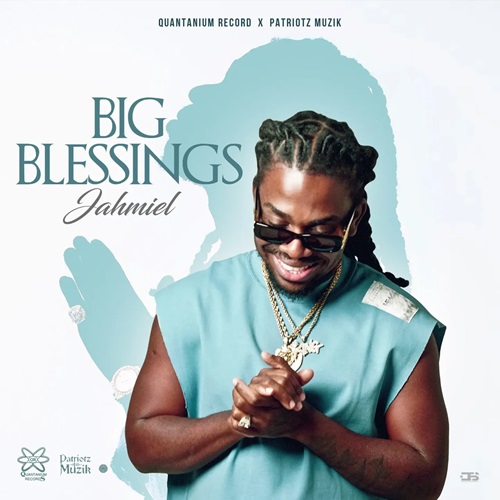
Jahmiel is back with a brand-new single titled “Big Blessings”—and it’s already making waves among fans of reggae and dancehall.
The uplifting track delivers a powerful message of gratitude, resilience, and faith, themes Jahmiel has consistently championed throughout his career. With smooth vocals layered over a melodic, mid-tempo riddim, “Big Blessings” feels like both a celebration and a reflection—highlighting the journey from struggle to success.
Known for hits that blend conscious lyrics with mainstream appeal, Jahmiel uses this release to remind listeners to stay grounded while embracing life’s wins, no matter how small. The song’s relatable message is striking a chord, especially at a time when many are seeking hope and motivation.
“Big Blessings” also showcases Jahmiel’s growth as an artist, both lyrically and sonically. His delivery is confident yet heartfelt, proving once again why he remains one of the standout voices in modern dancehall.
Fans are already buzzing about the track across social media, with many praising its positive vibe and replay value. If this release is anything to go by, Jahmiel is setting the tone for an even bigger run this year.
“Big Blessings” is now available on all major streaming platforms—definitely one to add to your playlist.











Leave a Reply