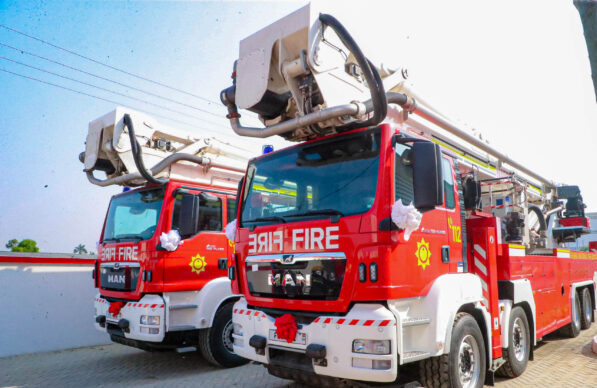

Ghana Fire Service Warns of Rising Casualties as 2025 Blaze Numbers Edge Up
Ghana’s fight against preventable fires has taken a worrying turn. Fresh data from the Ghana National Fire Service (GNFS) reveal that the first half of 2025 recorded 16 deaths and 110 injuries—a sharp jump from 12 deaths and 30 injuries during the same period in 2024. Although total incidents inched up only 0.53 % (3,595 cases vs. 3,576 last year), the human cost has risen dramatically.
Where the Flames Hit Hardest
| Region | Fire Cases (Jan–Jun 2025) |
|---|---|
| Greater Accra | 628 |
| Ashanti | 581 |
| Central | 408 |
| Northeast | 10 |
Key takeaway: Dense urban centres—especially Accra and Kumasi—remain the epicentres of market and residential blazes, often exacerbated by overcrowding and lax safety standards.
Why Are More People Getting Hurt?
GNFS officials point to two main culprits:
- Harsh harmattan conditions earlier this year, which dried out vegetation and structures.
- Complacency—from overloaded power strips and unattended cooking to careless brush burning.
Top ignition sources
- Electrical faults
- Unattended cooking stoves
- Poorly handled open flames (candles, mosquito coils)
- Gas leaks and cylinder mishandling
- Reckless dry‑season bush fires
What You Can Do Right Now
- Audit your wiring: Frayed extension cords and overloaded sockets are silent hazards.
- Stay in the kitchen: Never leave oil heating or food simmering unattended.
- Install—and maintain—fire extinguishers: Every home and office should have at least one, with a yearly service check.
- Store gas cylinders properly: Keep them upright, in ventilated areas, and turn them off at the valve when not in use.
- Clear vegetation: A two‑metre buffer of scruffy grass around your property can slow the spread of a brush fire.
- Report hazards promptly: Dial 112 (GNFS hotline) for suspected gas leaks, electrical sparks, or uncontrolled burns.
GNFS reminder: “Several of these incidents would never make the headlines if basic fire‑prevention habits were second nature.”
Looking Ahead
With drier months on the horizon, GNFS urges every Ghanaian—homeowners, market traders, landlords, and civic leaders—to make fire safety a daily habit. Simple steps like routine electrical inspections, strict market stall spacing, and functional hydrants can save both lives and livelihoods.
Have a fire‑safety success story or tip? Share it in the comments—your insight could spare someone a tragic loss.