
Ghana Launches Elite Panel to Map Out Next‑Gen Anti‑Corruption Strategy
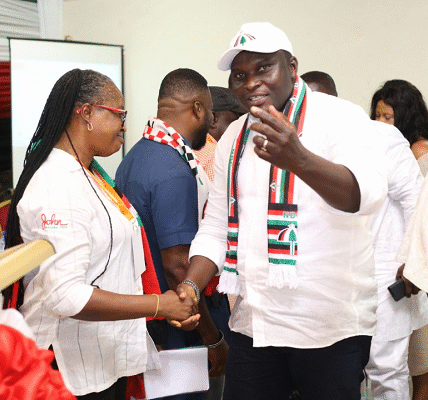
Chief of Staff Julius Debrah has inaugurated a high‑powered task force to craft Ghana’s second National Anti‑Corruption Strategy, signaling a renewed push to curb graft and rebuild public trust.
“This directive comes straight from President John Dramani Mahama,” Debrah said at the Jubilee House ceremony. “We need a strong, impactful rhythm in our fight against corruption.”
Why a New Strategy Now?
 Ghana’s first blueprint—the National Anti‑Corruption Action Plan (NACAP)—produced notable institutional gains:
- Port digitisation and stronger financial‑tracking systems
- Creation of the Office of the Special Prosecutor (OSP)
- Expanded mandates at EOCO and other watchdog agencies
Yet the broader impact fell short. Ghana’s Corruption Perception Index (CPI) slid from 48 % down to 42 %, its lowest score on record.
“NACAP hasn’t truly bent the curve,” Debrah admitted. “We must change that narrative.”
Task‑Force Mandate & Timeline
- Leader: Office of the Presidential Advisor on Anti‑Corruption
- Partners: CHRAJ, Attorney General’s Department, OSP, civil‑society coalitions
- Deliverable: First full draft by 31 August 2025
Debrah urged the group to ditch “business‑as‑usual”:
“Today’s corruption challenges demand more than new laws: they require decisive leadership, robust political will, digital enforcement, and a strong moral compass.”
Key Focus Areas
- Shock‑Therapy Interventions
A bold suite of reforms aimed at rapid, tangible impact. - Tech‑Driven Enforcement
Leveraging real‑time data, AI analytics, and e‑procurement platforms. - Ethical Renewal
Framing corruption as a moral failing, not just a legal infraction. - Fiscal Prudence
Maximising limited resources in a tight economic climate.
Presidential Backing, Public Expectations
Debrah promised full executive support but cautioned the task force to work efficiently:
“The integrity of our democracy depends on your success.”
With the August deadline looming, all eyes now turn to the task‑force roadmap—one that many hope will finally deliver a decisive blow against corruption in Ghana.
What reforms do you believe are critical for Ghana’s new anti‑corruption strategy? Join the conversation below.