
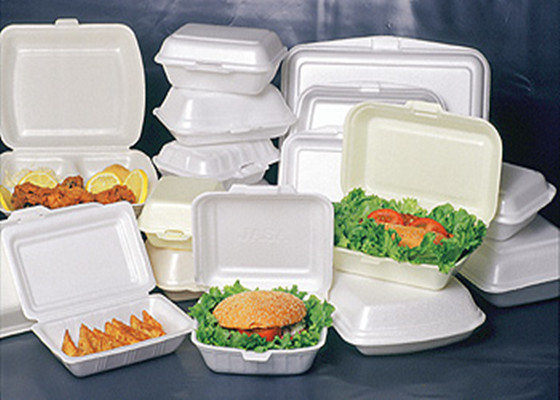
“NO MORE TAKEAWAY PACKS”: EPA DECLARES WAR ON STYROFOAM AS GHANA MOVES TO CLEAN UP ENVIRONMENT FROM 2027
The Environmental Protection Authority (EPA) has announced a nationwide ban on the production, importation, distribution, sale and use of Styrofoam products, popularly known as takeaway packs, with the directive set to take effect on January 1, 2027.
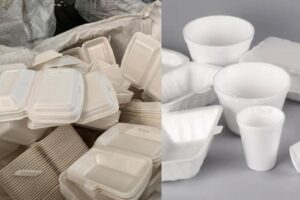
The decision forms part of Ghana’s intensified efforts to tackle plastic pollution, improve sanitation and protect public health across the country. According to the EPA, the ban will affect all expanded polystyrene (EPS) foam products used for commercial and domestic purposes, including food containers, disposable cups and plates, foam packaging used by restaurants and chop bars, as well as cushioning and insulation materials.
The policy follows an earlier announcement by President John Dramani Mahama during the 2025 World Environment Day celebration, where government signaled its intention to phase out Styrofoam products as part of broader environmental reforms aimed at reducing plastic waste and promoting sustainable living.
In its statement issued on May 25, 2026, the EPA directed manufacturers, importers, retailers, food vendors, hospitality operators and institutions that rely heavily on Styrofoam products to begin transitioning to reusable, recyclable and environmentally friendly alternatives before the enforcement date.
The Authority further disclosed that nationwide stakeholder engagements, public education campaigns and technical consultations will be carried out throughout the transition period to prepare businesses and consumers for the policy change. It also noted that compliance monitoring and enforcement mechanisms will be intensified ahead of the 2027 implementation date.
However, the EPA clarified that certain polystyrene products specifically intended for medical, scientific, laboratory and diagnostic purposes will be exempted from the ban, subject to regulatory approval and strict controls.
Environmental experts have long warned about the dangers of Styrofoam products, citing their non-biodegradable nature and their contribution to drainage blockages, flooding and environmental pollution in major cities across Ghana. The material is also known to break into microplastics that can contaminate water bodies and affect human health.
The move places Ghana among a growing number of countries and territories around the world taking strong action against single-use plastic and polystyrene products in response to rising global concerns over pollution and climate-related environmental degradation.











Leave a Reply