
 BREAKING NEWS: UAE Signals Possible Shift to Yuan for Oil Sales Amid Dollar Concerns
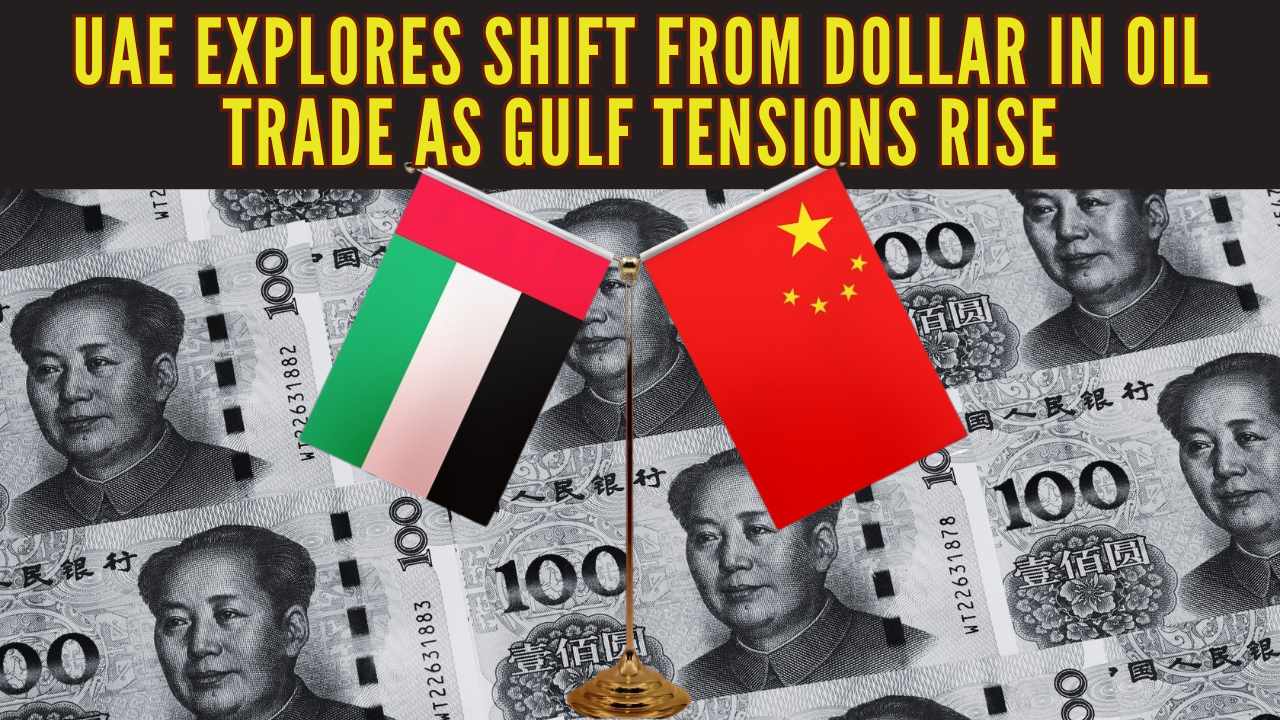
The United Arab Emirates (UAE) has reportedly warned the United States that it may be compelled to sell oil in alternative currencies, including the Chinese yuan, if access to U.S. dollars becomes constrained amid escalating geopolitical tensions.
According to multiple reports citing U.S. officials, the warning emerged during high-level discussions in Washington, where UAE Central Bank Governor Khaled Mohamed Balama engaged U.S. Treasury Secretary Scott Bessent and Federal Reserve officials over the possibility of securing a financial safety net.
The talks come against the backdrop of the ongoing Middle East conflict involving Iran, which has disrupted critical oil infrastructure and shipping routes—particularly through the Strait of Hormuz—thereby affecting the UAE’s ability to generate dollar-denominated revenue from energy exports.
Dollar Shortage Fears Drive Strategic Warning
Emirati officials indicated that while the country has so far managed to withstand the economic shock, prolonged instability could significantly strain its foreign currency reserves. In such a scenario, the UAE warned it may have no choice but to conduct oil transactions in currencies such as the Chinese yuan or other alternatives.
This marks a notable shift in tone from one of the world’s key oil exporters, given that global oil trade has traditionally been dominated by the U.S. dollar under the long-standing “petrodollar” system.
Push for U.S. Financial Backstop
The UAE is reportedly exploring a currency swap line arrangement with the United States—a mechanism that would allow it to access dollar liquidity in times of financial stress. Such arrangements are typically used by central banks to stabilize markets and ensure sufficient foreign currency supply.
However, U.S. approval for such a facility remains uncertain, with analysts suggesting the move may also serve as a strategic signal to Washington about the UAE’s willingness to diversify its economic alliances if support is not forthcoming.
Implications for Global Financial System
A shift by the UAE toward yuan-based oil sales would have far-reaching implications for the global economy. It could accelerate ongoing efforts by some countries to reduce reliance on the U.S. dollar in international trade and potentially weaken the dominance of the petrodollar system.
While no formal policy change has been announced, the development underscores growing financial and geopolitical realignments in the Gulf region as nations navigate the economic fallout of conflict and evolving global partnerships.














Leave a Reply