
A-Plus Rejects Five-Year Presidential and Parliamentary Terms, Vows to Campaign Against Proposal
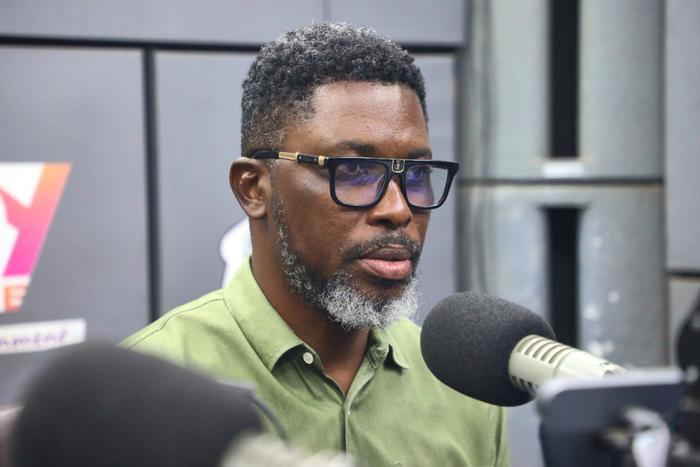
Gomoa Central MP Kwame Asare Obeng, popularly known as A-Plus, has strongly rejected the proposed extension of Ghana’s presidential and parliamentary terms from four years to five, declaring that he will campaign and vote against the proposal if it comes before the electorate.
A-Plus made the position known during an interview on the Sunrise programme on 3FM on Friday, August 14, 2026, arguing that Ghana should not extend the tenure of presidents and Members of Parliament to five years.
The legislator’s comments come amid renewed national debate over the implementation of recommendations by the Constitution Review Committee, which proposed extending the tenure of the President and Parliament from the current four years to five years.
The Constitution Review Committee, chaired by Professor Henry Kwasi Prempeh, submitted its final report to President John Dramani Mahama on December 22, 2025. The committee said the existing four-year political cycle could limit the time available to governments to implement their programmes effectively, particularly because of transition periods and prolonged election-related activities.
The committee’s recommendation later received government backing. Attorney-General and Minister for Justice, Dr Dominic Ayine, announced on July 30, 2026, that the government had accepted the recommendation to extend the terms of the President and Members of Parliament from four years to five years.
However, A-Plus has taken a fundamentally different position.
He argued that instead of extending the current four-year term to five years, Ghana should consider reducing the presidential tenure to three years while removing the constitutional limit on the number of times a president can seek re-election.
“Extending presidential and parliamentary terms to five years is a no-no,” A-Plus said, adding that the presidential term should instead be reduced to three years and term limits removed.
He further argued that elected leaders should be allowed to return to the electorate as many times as they wish, leaving voters to determine whether they deserve another mandate.
A-Plus also used former President Nana Addo Dankwa Akufo-Addo as an example to illustrate his argument, saying that under such an arrangement, Akufo-Addo could potentially still have been president.
“I don’t support this five-year tenure proposal for presidents and parliamentarians,” he said.
Why the five-year proposal was introduced
The proposed extension is part of a broader constitutional reform process aimed at reviewing Ghana’s 1992 Constitution.
The Constitution Review Committee argued that four years may not provide sufficient time for governments to settle into office, formulate policies, implement major programmes and deliver measurable results before another election cycle begins.
The committee also recommended measures intended to reduce the disruptive effect of prolonged election campaigning and create more space for governments to concentrate on governance and development.
Professor Prempeh, while presenting the committee’s report, made clear that the proposal for a five-year presidential term did not come with a recommendation for a third term for a sitting president. He said the committee found little public demand or political support for allowing presidents to seek a third term.
The government’s acceptance of the five-year tenure proposal has therefore opened another important phase of Ghana’s constitutional reform debate.
A debate that could shape Ghana’s political future
The controversy surrounding the proposal goes beyond the additional 12 months in office. At its core is a debate over how Ghana should balance effective governance with democratic accountability.
Supporters of the five-year term argue that governments need more time to implement long-term development programmes without being constantly distracted by elections. Critics, however, contend that extending the period between elections could weaken the electorate’s ability to hold political leaders accountable.
A-Plus has now placed himself firmly among those opposing the proposal and has indicated that he intends to actively mobilise against it.
His position is likely to add further momentum to the national conversation as the government works towards the next stages of implementing the Constitution Review Committee’s recommendations.
The proposed changes are not yet part of Ghana’s Constitution. They must go through the appropriate constitutional and legislative processes before they can take effect.
For now, the five-year tenure proposal remains one of the most consequential issues in Ghana’s ongoing constitutional reform debate, with A-Plus signalling that he intends to fight it at every stage where he has the opportunity to do so.





Leave a Reply