
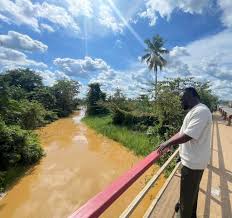
Julius Debrah Calls for United Fight Against Galamsey: “A Poisoned River Does Not Ask Who You Voted For”
Accra, Ghana — August 17, 2026: Chief of Staff Dr Julius Debrah has renewed calls for a united national effort to combat illegal mining, popularly known as galamsey, warning that the devastating effects of environmental destruction do not discriminate based on political affiliation or voting choices.
In a message highlighting the urgency of the fight against illegal mining, Dr Debrah stressed that the consequences of polluted rivers and degraded natural resources affect entire communities, regardless of which political party they support.
“Let’s fight galamsey. A poisoned river does not ask how or who a community voted for,” Dr Debrah said.
The statement underscores growing concerns over the impact of illegal mining on Ghana’s rivers, forests and other natural resources. The activities of illegal miners have contributed to widespread pollution of water bodies, environmental degradation and concerns over access to safe water in several mining communities.
Dr Debrah’s comments are also a reminder that the fight against galamsey requires collective action rather than partisan considerations. Communities, traditional authorities, political leaders, security agencies and other stakeholders have all been urged to play their part in protecting Ghana’s environment.
The call comes at a time when the government and civil society groups continue to face pressure to intensify measures against illegal mining and protect the country’s water bodies from further destruction.
The Chief of Staff’s message suggests that the environmental consequences of galamsey should be treated as a national concern, rather than an issue determined by political loyalties.
The pollution of rivers is particularly worrying because water bodies serve communities across political and geographical boundaries. Once contaminated, restoring them can require significant resources and sustained intervention.
Ghana has for years struggled with the illegal mining menace, with successive governments introducing different measures aimed at curbing the practice. However, enforcement challenges, illegal mining networks and the economic interests surrounding gold mining have continued to make the fight difficult.
Dr Debrah’s latest call therefore places emphasis on the need for a common national position against activities that threaten the country’s environmental future.
The message is clear: the protection of Ghana’s rivers and forests is a responsibility that transcends political parties, elections and individual voting choices.
The call for a stronger fight against galamsey also follows years of public concern about the deterioration of major water bodies, with environmental advocates warning that continued pollution could have long-term consequences for communities and future generations.
As the debate over illegal mining continues, stakeholders are expected to intensify efforts to protect water bodies, enforce environmental laws and promote responsible mining practices.
Dr Debrah’s central message remains that when a river is polluted, its consequences are felt by everyone—regardless of how they voted.










Leave a Reply