
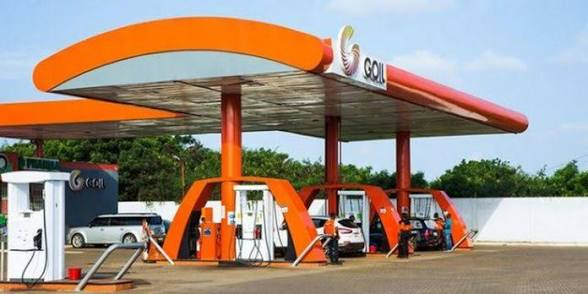
 Fuel Prices Surge in Ghana as New Pricing Window Takes Effect
Petrol, diesel record significant increases amid economic pressures
Fuel prices in Ghana have risen sharply following the implementation of a new pricing structure for the first window of April 2026, placing additional strain on consumers and businesses.
Under the revised rates, petrol is now selling at approximately GH¢13.30 per litre, up from GH¢11.57, while diesel has increased from GH¢14.35 to about GH¢17.10 per litre. Liquefied Petroleum Gas (LPG) has also recorded a marginal rise to around GH¢10.71 per kilogramme.
The adjustments form part of a regulatory pricing framework that establishes a minimum price threshold for petroleum products. This means fuel retailers are not permitted to sell below the approved benchmark within the pricing window, although actual pump prices may be higher depending on operational costs and margins.
Drivers of the Price Increase
The surge in fuel prices is attributed to a combination of global and domestic economic factors. These include rising international crude oil prices, the depreciation of the Ghanaian cedi against major foreign currencies, and increased costs associated with importing refined petroleum products.
Regulatory adjustments within the pricing system have also contributed to the upward review, reflecting efforts to stabilise the downstream petroleum sector.
Economic Impact
The increase is expected to have a ripple effect across various sectors of the economy. Transport operators are likely to adjust fares, while businesses may pass on higher operational costs to consumers.
As a result, prices of goods and services—particularly in transportation, food distribution, and manufacturing—could see further increases. The development is also expected to intensify pressure on household incomes.
Outlook
Analysts caution that fuel prices may remain volatile in the coming months, largely influenced by global oil market trends and exchange rate fluctuations. Continued instability could lead to further adjustments in subsequent pricing windows.
Conclusion
The latest fuel price hike highlights the persistent challenges within Ghana’s energy sector and the broader economy. While measures are being implemented to maintain stability, the impact of rising fuel costs is expected to be felt widely by both consumers and businesses.













Leave a Reply