
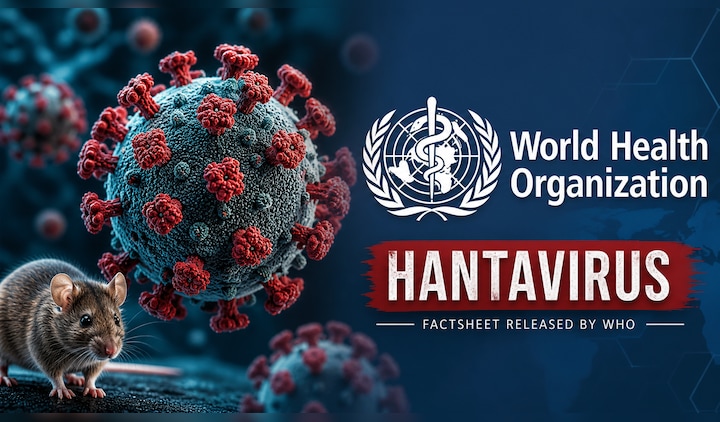
World Health Organization Closely Monitoring Hantavirus Cases Amid Global Health Concerns
The World Health Organization is closely monitoring a reported cluster of hantavirus infections linked to an international cruise vessel, raising renewed global concern about the rare but potentially deadly disease.
According to the World Health Organization, several confirmed and suspected cases have been associated with the Andes strain of hantavirus aboard the expedition cruise ship MV Hondius. Health authorities across multiple countries are currently tracing passengers and monitoring close contacts as investigations continue.
Although the World Health Organization has assured the public that the overall global health risk remains low, experts say the incident highlights the importance of early detection, public awareness, and preventive health measures.
What Is Hantavirus?
Hantavirus refers to a group of viruses primarily carried by rodents. Humans can become infected through exposure to infected rodents, their urine, saliva, droppings, or contaminated particles released into the air.
The virus was first identified in the 1970s near the Hantan River in South Korea, from which it derives its name. Since then, various strains have been detected across Asia, Europe, North America, and South America.
Medical experts classify hantavirus infections into two major categories:
Hemorrhagic Fever with Renal Syndrome (HFRS): Common in Europe and Asia, mainly affecting the kidneys.
Hantavirus Pulmonary Syndrome (HPS): More prevalent in the Americas and primarily attacks the lungs and respiratory system.
Why the Current Outbreak Is Concerning
The present cases are believed to involve the Andes virus strain, found mainly in parts of Argentina and Chile. What makes this particular strain more concerning is its rare ability to spread from person to person through close physical contact.
Health investigators suspect that exposure may have occurred during travel activities in parts of South America before passengers boarded the cruise ship. Authorities are still working to determine the exact source of the infections.
Symptoms of Hantavirus
Health professionals warn that early symptoms often resemble those of common viral infections, which can make diagnosis difficult during the initial stages.
Common symptoms include:
Fever
Severe headaches
Muscle aches
Fatigue
Chills
Nausea and vomiting
Abdominal pain
As the illness progresses, patients may develop serious breathing difficulties, fluid accumulation in the lungs, low blood pressure, and organ failure.
In severe cases, the disease can become fatal within a short period if urgent medical treatment is not provided.
How the Virus Spreads
According to health experts, hantavirus is commonly transmitted through:
Inhaling contaminated dust particles from rodent urine or droppings
Touching contaminated surfaces and then touching the nose or mouth
Consuming food contaminated by rodents
Rodent bites, although this is less common
For the Andes strain, limited human-to-human transmission has also been documented, particularly among close relatives, caregivers, or individuals with prolonged contact with infected persons.
No Specific Cure or Vaccine Yet
Currently, there is no approved vaccine or specific antiviral treatment for hantavirus infections. Medical care mainly focuses on supportive treatment, including oxygen therapy, respiratory support, and intensive hospital care.
Health experts stress that early diagnosis and immediate medical attention significantly improve survival rates.
World Health Organization’s Position on the Situation
The World Health Organization says it is collaborating with international health agencies and governments to strengthen surveillance, laboratory testing, contact tracing, and public health preparedness.
World Health Organization Director-General Tedros Adhanom Ghebreyesus reportedly stated that the current situation should not be compared to the COVID-19 pandemic, emphasizing that hantavirus is considerably less contagious and generally requires close exposure for transmission.
Preventive Measures
Public health officials are urging people to take preventive measures seriously, especially in areas where rodent activity is common.
Recommended precautions include:
Keeping homes and surroundings clean
Properly storing food items
Sealing openings that may allow rodents into buildings
Avoiding direct contact with rodents and their waste
Using disinfectants when cleaning contaminated areas
Washing hands thoroughly after handling potentially contaminated materials
Healthcare workers have also been advised to strictly follow infection prevention and control protocols when handling suspected cases.
Global Monitoring Continues
International health authorities continue to monitor passengers and contacts connected to the outbreak while scientists study the virus closely to better understand its transmission patterns and potential risks.
Although hantavirus infections remain relatively rare worldwide, medical experts caution that the disease can be extremely dangerous if not detected and treated early.














Leave a Reply