
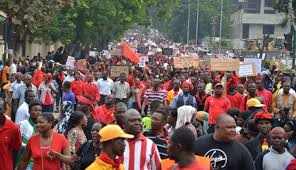
Organised Labour Urges Government to Convert Economic Gains into Jobs
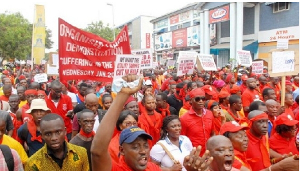
Organised Labour in Ghana has called on the government to ensure that recent economic gains translate into tangible job creation, warning that improved macroeconomic indicators alone are not sufficient to improve the livelihoods of ordinary citizens.
In a strong appeal to policymakers, labour unions stressed that while the country may be experiencing signs of economic stabilisation, including fiscal adjustments and sectoral reforms, these gains have yet to reflect meaningfully in employment levels. According to labour leaders, the disconnect between economic growth and job creation remains a pressing concern that must be urgently addressed.
They argued that economic recovery should not be measured solely by indicators such as inflation control, currency stability, or GDP growth, but rather by the extent to which it improves employment opportunities, income levels, and general living standards. Organised Labour emphasized that without deliberate policies aimed at job creation, economic progress risks becoming “statistical growth” with little real impact on citizens.
The unions further highlighted that several sectors of the economy—including mining, agriculture, and manufacturing—continue to face structural challenges that limit job expansion. In particular, concerns have been raised in the mining sector, where labour groups warn that certain policies could potentially reduce wages and weaken job security for workers if not carefully managed.
Organised Labour is therefore urging government to prioritise labour-intensive policies, support local industries, and invest in skills development to ensure that economic gains are inclusive. They also called for stronger collaboration between government, private sector players, and labour representatives to design policies that promote sustainable employment.
Additionally, the unions stressed the need for targeted interventions in youth employment, noting that the growing number of unemployed young people poses both an economic and social risk if not addressed through strategic job creation initiatives.
They concluded by reaffirming their commitment to engaging government through dialogue but cautioned that continued inaction on job creation could lead to increased agitation among workers.
The call comes at a time when Ghana’s economy is undergoing significant reforms, with expectations that recovery efforts will eventually translate into improved livelihoods. However, Organised Labour insists that the true test of these reforms lies in their ability to create decent and sustainable jobs for the Ghanaian workforce.











Leave a Reply