
Ghana Records Over 1,000 Mpox Cases as Regional Spread Raises Public Health Concerns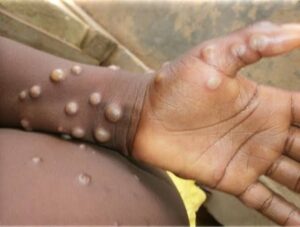
Ghana’s public health authorities have confirmed a sharp rise in Mpox infections, with total reported cases now exceeding 1,060 nationwide, intensifying concerns over the continued spread of the disease and its impact on the healthcare system.
Available data indicates that the outbreak, which has affected over 120 districts across the country, is widely distributed across all regions, although certain areas continue to bear a disproportionate burden.
The Western Region and Greater Accra Region remain the most affected, consistently recording the highest number of cases since the outbreak began. Health officials note that these regions, together with parts of the Western North Region, account for a significant majority of infections nationwide.
The Ashanti Region has also emerged as a key hotspot, with several districts reporting active cases and ongoing vaccination efforts targeting high-risk populations. Recent figures show that thousands of individuals across Ashanti, Greater Accra, and Western regions have already received vaccines as part of a targeted response strategy.
Other regions, including Bono, Eastern, and Volta, continue to record sporadic cases, indicating sustained community transmission across the country. Health authorities warn that the widespread geographic distribution of the disease increases the risk of further escalation if containment measures are not strictly observed.
Mpox, a viral disease transmitted through close physical contact with infected persons, contaminated materials, or animals, typically presents with symptoms such as fever, body aches, swollen lymph nodes, and skin rashes. While many infections are mild, vulnerable populations remain at higher risk of severe complications.
Despite the rising case count, officials report that hospital admissions remain low in recent weeks, although the country has recorded eight fatalities since the outbreak began.
In response, health authorities have intensified surveillance, contact tracing, and public education campaigns, particularly in high-burden regions. Emergency preparedness measures have also been strengthened, with additional resources deployed to support affected areas.
Citizens are being urged to maintain strict hygiene practices, avoid close contact with infected individuals, and report symptoms early to health facilities. Authorities emphasize that public cooperation remains critical in containing the outbreak and preventing further spread.
The continued rise in Mpox cases highlights the need for sustained vigilance and a coordinated national response as Ghana works to bring the outbreak under control.

Dewcityenterprise
Website: https://dewcityenterprise.com













Leave a Reply